Sunday, November 13, 2011

Mitsubishi Lancer Evolution


What's New for 2011

Aside from the addition of the Fuse voice activation system and real-time traffic updates, the 2011 Mitsubishi Lancer Evolution sees only a shuffling of standard and optional features.

Introduction

The typical formula for a muscle car is performance on the cheap, as in a big, honking engine dropped into a low-price generic package. Based on what the 2011 Mitsubishi Lancer Evolution does, we'd say the muscle formula is alive and well. Yet there's more to the Evolution than just straight-line performance.
Starting with the standard Lancer economy sedan, Mitsubishi goes to work by adding a turbocharged engine, a highly sophisticated all-wheel-drive system, chassis reinforcements, bigger brakes, a sport-tuned suspension and numerous aerodynamic and cosmetic enhancements. The transformation results in performance numbers that rival those from sports cars. In Edmunds testing of various Evolutions the past couple of years, we've consistently seen 0-60-mph sprints in about 5 seconds flat and slalom speeds near 70 mph -- pretty heady stuff.
Fortunately, this added athleticism doesn't significantly compromise the overall driving experience. Inside the cabin, driver and passengers are treated to a reasonably quiet environment, a decently comfortable ride and many standard and optional high-tech features. We also like the available, dual-clutch automated manual gearbox. With it, a driver can make lightning-quick gearchanges by tugging on the steering-column-mounted shift paddles or simply select full automatic mode for hassle-free driving. The Evo's all-wheel-drive system is there for both extra traction in inclement weather and significantly improved cornering no matter what the weather might be.
There are, however, a few items that count against the 2011 Evolution. The interior is nearly identical to the economical Lancer, with hard plastics and a lack of visual appeal befitting a car at this price. The steering wheel tilts but doesn't telescope, keeping many from finding an optimal driving position. And while the ride might not be overly stiff, it could still feel unyielding to the average driver. Furthermore, the Evo's small trunk puts a definite crimp in cargo capacity.
In the 2011 Mitsubishi Lancer Evolution's price range, you'll find competitors like the Chevrolet Camaro, Ford Mustang, Nissan 370Z and Subaru Impreza WRX STI. The Camaro and Mustang obviously provide more muscular bravado when fitted with their V8 engines, while the 370Z is more nimble due to its pure sports-car nature. But the Evolution's true rival is the WRX STI. The STI offers a slightly more refined interior and an available hatchback body style, but it's not quite as savvy on twisting back roads. Our choice here is the Mitsubishi Evo. For the modern interpretation of the classic muscle car, you need not look any further.

Body Styles, Trim Levels, and Options

The 2011 Mitsubishi Lancer Evolution is a high-performance compact sedan available in GSR and MR trim levels that correspond to the transmission choices. The GSR receives the five-speed manual while the MR gets the six-speed Sportronic transmission.
Standard equipment on the GSR includes 18-inch alloy wheels, foglights, a large rear spoiler, full power accessories, cruise control, keyless entry, a leather-wrapped tilt steering wheel with audio controls, Recaro sport bucket seats, the Fuse voice-activation system for some electronic features, Bluetooth phone and streaming audio, and a six-speaker CD stereo with an auxiliary audio jack and an iPod/USB audio interface. The MR is similar but has BBS alloy wheels, a smaller rear lip spoiler, xenon headlamps and softer suspension calibrations.
Optional on the GSR is the Sight and Sound package, which adds xenon headlights, keyless ignition/entry and a Rockford Fosgate sound system with 10-inch subwoofer, satellite radio and an in-dash six-CD changer. Also available is the Sun and Leather package that adds a sunroof, leather upholstery, heated front seats, an upgraded center console with covered bins and added sound insulation.
Available on the MR trim is the Premium package, which includes the chrome exterior trim, Rockford Fosgate audio system, leather and suede seating surfaces, keyless ignition/entry and an upgraded center console. A Touring package is also available that adds the sunroof, heated mirrors, leather seats, heated front seats, automatic headlights and wipers, and added sound insulation.
Either trim level can also be had with a hard-drive-based navigation system that boasts real-time traffic and digital music storage.

Powertrains and Performance

Every 2011 Lancer Evolution is powered by a turbocharged four-cylinder engine that pumps out 291 horsepower and 300 pound-feet of torque. The GSR comes only with a five-speed manual transmission, while the MR is equipped with Mitsubishi's excellent six-speed automated manual transmission with column-mounted shift paddles. Power is sent to all four wheels through an advanced all-wheel-drive system.
Acceleration for either Evo is impressive. In performance testing by Edmunds, a GSR required only 4.9 seconds to sprint from zero to 60 mph, while the MR did it in 5 flat. The EPA estimates fuel economy at 17 mpg city/23 mpg highway and 19 mpg combined for the GSR and 17/22/19 for the MR versions.

Safety

Standard safety features on the 2011 Mitsubishi Lancer Evolution include antilock brakes, front seat side airbags, full-length side curtain airbags, a driver's knee airbag, stability control and a variety of advanced handling technologies.
The Evolution hasn't been crash tested, but the standard Mitsubishi Lancer on which it is based has been through the procedure. In government testing, its 2010 rating (which isn't comparable to more strenuous 2011 ratings) resulted in a top-rated five stars for the driver and four stars for the front passenger in frontal impact protection. In the Insurance Institute for Highway Safety's frontal-offset, side-impact and roof-strength tests, the regular Lancer earned the top rating of "Good."

Interior Design and Special Features

The Evo's interior is tame compared to its aggressive exterior styling. Recaro sport bucket seats, alloy foot pedals, fancier gauges and a different steering wheel are the only things that differentiate the spicy Evo from the commonplace Lancer GTS. Those Recaros are highly supportive and comfortable, but the driver seat's lack of a height adjustment and the steering wheel's tilt-only column make finding an ideal driving position difficult for many drivers, not just tall ones.
Most of the interior materials are the same as those on the regular Lancer, which is to say that they're fine for an economy car but disappointing for a vehicle costing about $35,000. The Evo's utility is actually less than the regular Lancer's, as the rear seats don't fold down and the battery and washer fluid reservoir have been relocated to the trunk for better weight distribution. Total trunk space is just 7 cubic feet, which is on par with tiny roadsters. Adding the optional stereo upgrade with the massive trunk-mounted subwoofer reduces that capacity even further.
On the plus side, most controls are within easy reach and simple in operation, and the standard Fuse voice activation system makes some audio and navigation functions a hands-free affair.

Driving Impressions

The 2011 Mitsubishi Lancer Evolution is a sports car in compact sedan clothing. The advanced all-wheel-drive system works behind the scenes to give the car very impressive handling and traction abilities. Spirited drivers will also appreciate the Evo's ultra-responsive steering and ample amount of road feedback.
For daily commutes, the Evo is less inspiring, mostly because the ride quality is rather stiff. That goes for the MR models as well, though their Bilstein dampers give them a touch more ride compliance. The excellent automated dual-clutch manual transmission makes the MR trims the clear choice for those who plan to commute in their Evos. Regardless of which model you choose, you'll have an immensely fun car with performance that's nearly impossible to beat for the price.

Subaru Impreza WRX 2011

  • Exterior Features
  • Symmetrical All-Wheel Drive
  • Turbocharged 265-hp or 305-hp SUBARU BOXER® engines
  • Wide-body design
  • Sport-tuned suspension
  • 17 x 8.0-inch aluminum-alloy wheels with P235/45 R17 summer performance tires
  • Quad outlet exhausts
  • Interior Features
  • 265-hp turbocharged SUBARU BOXER® engine
  • 6-speaker audio system with Bluetooth® hands-free phone and streaming audio connectivity
  • USB port and iPod® control capability
  • Performance-design front seats
  • Automatic climate control
  • Available touch-screen GPS navigation system
  • Six airbags standard

Ferrari 458 Italia

While it's true that every Ferrari is innovative by definition, it's equally true that in the course of the Prancing Horse's history, certain cars have marked a genuine departure from the current range. This is very much the case with the Ferrari 458 Italia, which is a massive leap forward from the company's previous mid-rear engined sports cars.
The new model is a synthesis of style, creative flair, passion and cutting-edge technology, characteristics for which Italy as a nation is well-known. For this reason Ferrari chose to add the name of its homeland to the traditional figure representing the displacement and number of cylinders.
The Ferrari 458 Italia is a completely new car from every point of view: engine, design, aerodynamics, handling, instrumentation and ergonomics, just to name a few.
A two-seater berlinetta, the Ferrari 458 Italia, as is now traditional for all Ferrari's road-going cars, benefits hugely from the company's Formula 1 experience. This is particularly evident in the speed and precision with which the car responds to driver inputs and in the attention focused on reducing internal friction in the engine for lower fuel consumption than the Ferrari F430, despite the fact that both overall displacement and power have increased. However, Ferrari's track experience makes its presence felt in the Ferrari 458 Italia not only in terms of pure technological transfer but also on a more emotional level, because of the strong emphasis on creating an almost symbiotic relationship between driver and car. The Ferrari 458 Italia features an innovative driving environment with a new kind of steering wheel and dashboard that is the direct result of racing practice. Once again input from Michael Schumacher - who was involved from the very start of the Ferrari 458 Italia project - played an invaluable part.

Sunday, November 6, 2011

Fastest Cars In The World

1. Bugatti Veyron Super Sport: 267 mph2. Hennessey Venom GT: 260 mph2. Koenigsegg Agera R: 260 mph3. SSC Ultimate Aero: 257 mph4. Saleen S7 Twin-Turbo: 248 mph5. Koenigsegg CCX: 245 mph6. McLaren F1: 240 mph7. Gumpert Apollo: 224 mph8. Noble M600: 223 mph9. Lamborghini Aventador: 217 mph9. Pagani Zonda Cinque Roadster: 217 mph9. Ferrari Enzo: 217 mph9. Jaguar XJ220: 217 mph10. Ascari A10: 215 mph10. Pagani Zonda F: 215 mph

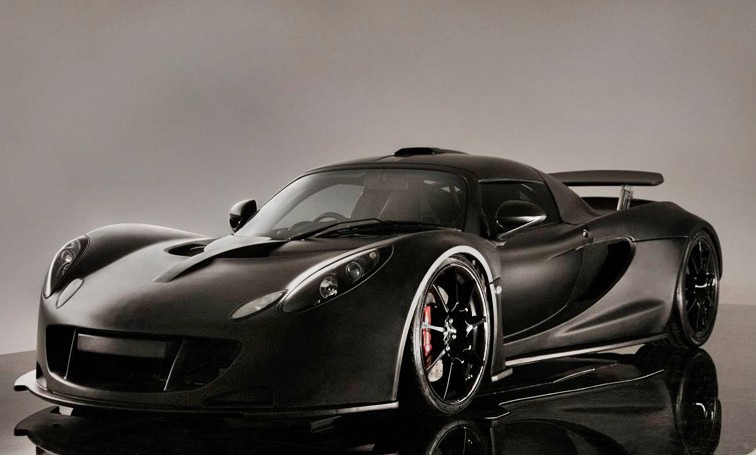
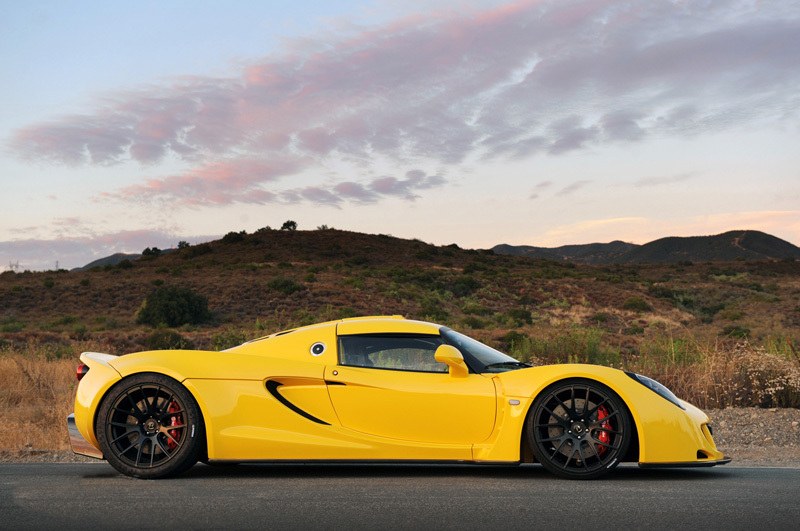
2011 Hennessey Venom GT

Hennessey Performance Engineering is tops in modifying engines. They can take an ultra sleek super automobile, and push it towards perfection. With Hennessey you can experience the best of the best.
At first glance, the Venom GT looks like the Lotus Exige. The Venom is an explosive fusion of British flair and American power. The 2011 Hennessey Venom GT received a make-over.

Performance
The exterior design looks like it comes out of Bruce Wayne’s or Tony Starks garage, but the car’s road power makes it a superhero in itself. The Hennessey Venom GT has for an engine a 6.2-liter LS9 twin-turbo V-8, similar to the engine on the Chevrolet Corvette ZR1 one of the fastest production cars released. Airflow management was initially done on CAD. They used it to simulate airflow to improve the engine and body design.
The hood of the car cannot be accessed, although it contains two radiators with fans that help maintain the engine cool. Hennessey stresses the idea that the cooler the engine, the more horsepower you get. The car is offered in a mid-engine rear drive power-train with horsepower ranging from 725 to 1200. The drive train is provided by a Ricardo 6 speed transmission. The shifter is patterned after the Lotus, but upcoming models will see a switch to the Ford GT styled shifter.
Rumors abound that the Hennessey Venom GT has either tied or broken the record of the Bugatti Veyron Super Sports record of 267 mph. We have yet to hear from reliable sources to make the record official.
Exterior & Interior
The size of the Venom GT is smidge bigger than the Lotus Exige. The Hennessey Venom GT retains the Exige’s lightweight stylings. The carbon fiber material used on the Venom GT contributes to its lightweight physique. The math is easy: less weight is equivalent to better performance. Founder John Hennessey said that what he wanted to make was a car that all about performance, he didn’t want to worry about interior styling’s. Most of the cars weight is the engine. The Hennessey Venom GT was built from scratch putting in the best components from brains to brawn of American engineering.
The adjustable rear wing provides added aerodynamic performance when needed. The body is built to withstand force produced by vehicles that produce 1500 horsepower or more. The wheels are equipped with brake calipers made by Brembo which provide excellent traction control. Test drivers have commented that the chassis is rigid but firm, making the ride smooth and easy on the body. The smooth response of the Venom after making turns make the transition easy on both the vehicle and driver, it just helps prove it to be just as advertised, a supercar.
Currently, the new Venom GT has yet to be given permission to be driven on US streets and highways. Most of the testing and showing of this car have been across the pond in the UK.
The simplicity of the interior is just that, it contains the necessary instrumentation accessories to ride the Venom GT with confidence. The Venom has a built-in roll cage providing protection to both driver and passenger. Alcantara leather lines the inside of this supercar, from the panels, seating, and the steering wheel. Giving it a more than a muscle car look. It does have AC, AM/FM radio, and yes even a docking station for those with iPods. An added feature is the removable steering wheel to aid taller folks easier access getting in and out of the car.
The Competition
The Hennessey Venom GT has few peers, some try to come close but few do. During a “shoot-out” in 2007 to find out who reached the 200 mph barrier the fastest, the predecessor of this current Venom, the Hennessey Venom 1000 twin turbo found itself stacked up against the Bugatti Veyron 16.4, Lamborghini Murcielago, Corvette Lingenfelter, the Mercedes Benz SLR McLaren, and the Ruft RT12. Only four vehicles made the final attempt, and the Hennessey Venom 1000 had the best record at 20.3 seconds in reaching the 200 mph mark, followed by the Veyron at 24.2 seconds, then the Lingenfelter Corvette at 26.5 seconds, and finally the Ruft Rt12 at 35.5.
The 2011 Hennessey Venom GT with 725 horsepower is priced considerably less than the 1,200HP version. Total production of the car is limited to 29, with only 10 units made per year. For 2012, only 5 vehicles will be made, they require a lead time of six months to build one unit.

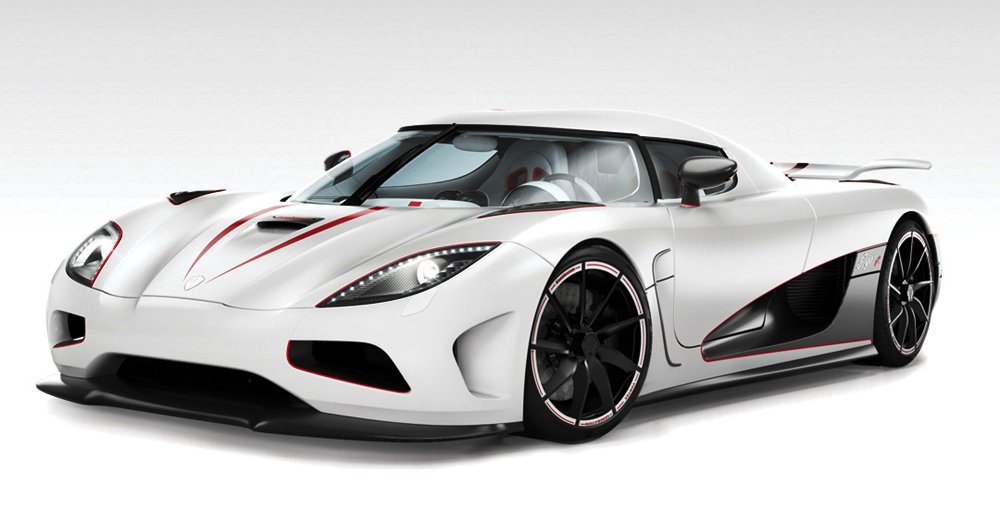
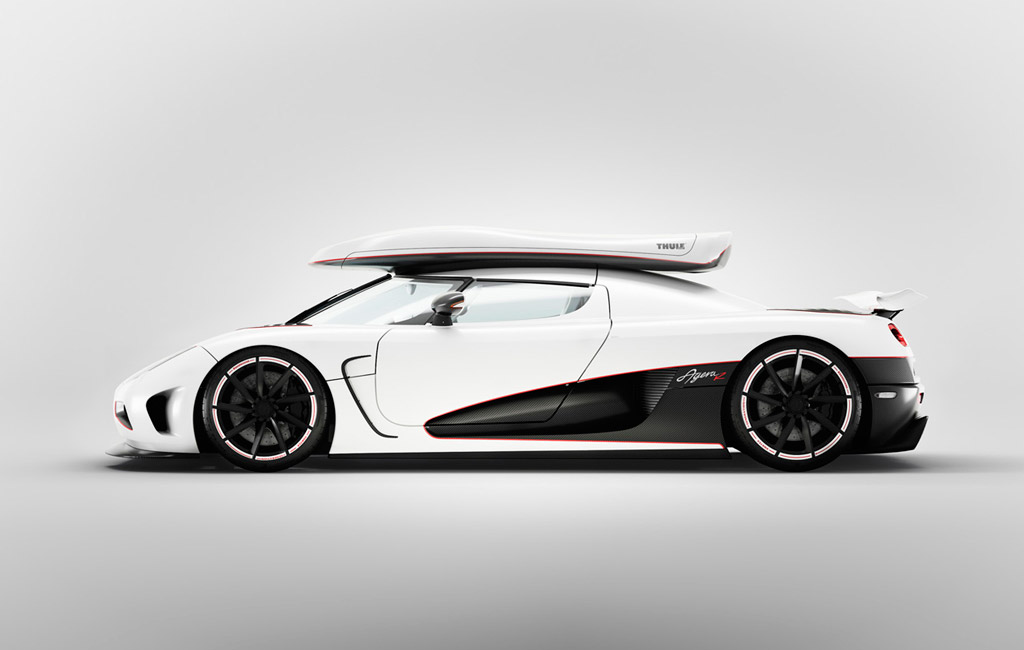
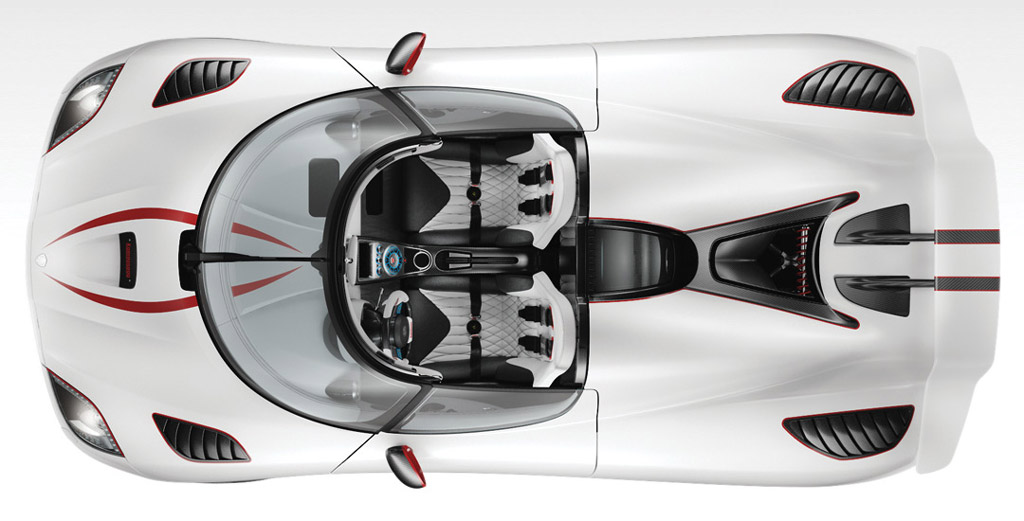
2011 Koenigsegg Agera R

It is common knowledge that Koenigsegg makes some of the fastest supercars around. And the latest import from Sweden, the 2011 Koenigsegg Agera R is no exception.
Just how fast is this exotic two-door hyper-machine? Well, suffice it to say that the Agera R is hot on the Bugatti Veyron Super Sport’s tail clocking in at a blisteringly fast 0-168 mph in just 14.53 seconds. Although not yet completely verified, this performance proves that it won’t be long before Koenigsegg overtakes Bugatti and claim for itself the title of being the world’s fastest supercar.

This new car which only debuted at the Geneva Motor Show is so hot that the Royal Family of Oman snatched one up even before it was revealed at the said show. If this is any indication of the kind of future the Agera R will have in the world of supercars, then surely the renowned Bugatti Veyron Super Sport may soon relinquish its throne in favor of the Agera R.
So what makes the Koenigsegg Agera R sizzle?
Performance
Powering the Agera R is a Koenigsegg-developed 5.0L V8 Twin Turbo engine. This robust behemoth generates a mind-blowing 1,115hp at 6,900 rpm all the way to 7,250 rpm. All this power is coupled with an impressive 885lb-ft of torque at 4100rpm. All this impeccable figures translates to a demonic 0-60mph acceleration of just 2.9 seconds!
And the wonders of this car do not stop at the engine specifications alone.
For instance, the Agera R can run on multiple fuel types such as E85 and E100 bio-fuels, as well as regular 95 octane gas. The bio-fuels gives the car maximum horsepower as power output is reduced by about 100hp and 100lb-ft torque when regular fuel is used. Still, that feature is quite surprising by any standards.
Another note-worthy feature of the car is its suspension system. Koenigsegg names it the Triplex rear suspension. This ingenious suspension set up connects a shock absorber and coil spring to each rear wheel. This configuration enables the car to be raised or lowered on demand because each wheel can affect the other as the extra spring partners in series with the normal suspension and dampers to achieve the desired height.
The Agera R is such a unique and powerful supercar that Koenigsegg had to design the wheels and tires specifically for it. The geniuses at Koenigsegg made wheels that act as air-turbines to keep the brakes cool. The tires were made by Michelin specifically for the Agera R to slay the Veyron SS as each tire is capable of reaching 261 mph.

Exterior & Interior
If the beast that powers the Agera R is not enough to make your heart goes racing, then surely its interior and jaw-dropping exterior surely will. Let’s start with the car’s over-all look. The Agera R as shown at the Geneva show reminds one of a cross between the Lotus driven by James Bond as he cruised the Swiss Alps and another movie icon, Speed Racer.
The Agera R is equipped with an intelligently designed and dynamic rear wing. Unlike other wings that lift automatically at high speeds, the Agera R’s wing uses the wind pressure created at high speed to force the wing downward to create wind resistance. Through this, Koenigsegg was able to come up with a smarter and lighter wing that instantly compensates for headwind or tailwind.
Luxury is paramount at the Agera R’s interiors. Satnav, MP3/USB compatibility, climate control, plush leather etc. and more come standard on the Agera R. Quite notable though is its “Top Speed” mode accessible via the infotainment system. Although not a separate key as what is found in the Bugatti, it still provides the driver direct access to unlock the true potential of the Agera R.
You like the Agera R, don’t you? If you have $1.9M to spare, you can have one of the best rides of your life.

Zytech 06 S

Zytek Group Ltd is an automotive and motorsport company founded in 1981 and based in Fradley and Repton, United Kingdom. Zytek Group has two main division: Zytek Automotive, which is based at Fradley, Staffordshire; and Zytek Engineering, which is based at Repton, Derbyshire.